Church faces great difficulty aiding people trapped in battle zone

smaller font larger font print this article email this article to a friend

Published Date: February 13, 2009

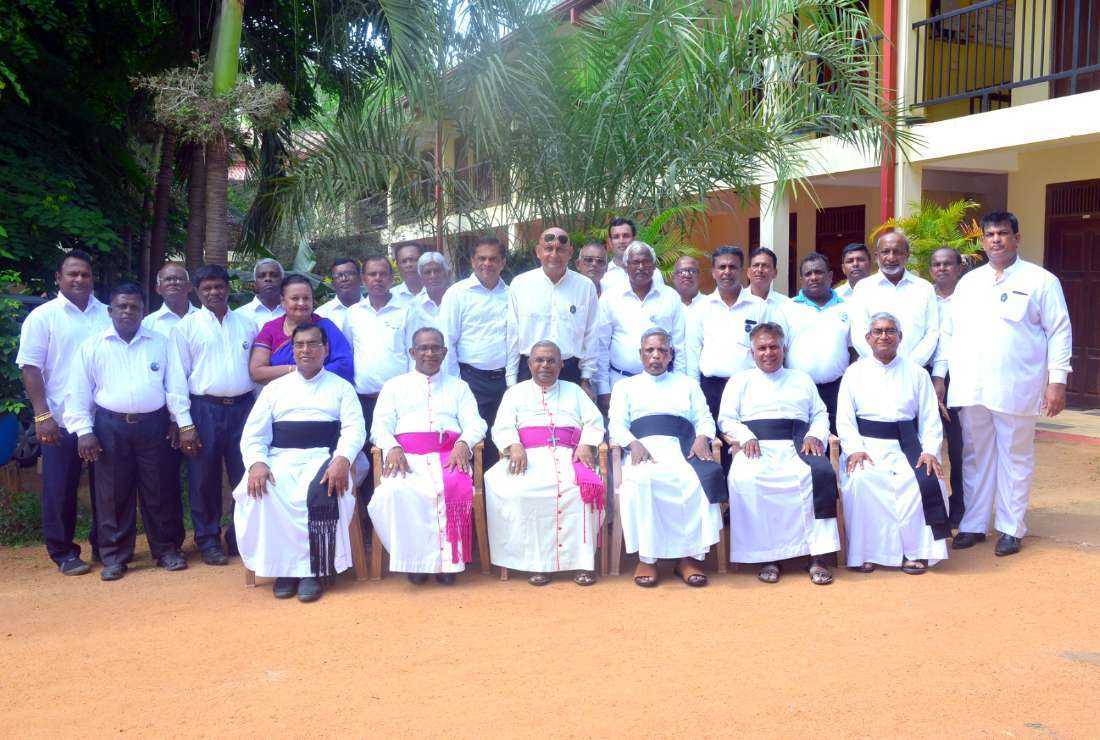
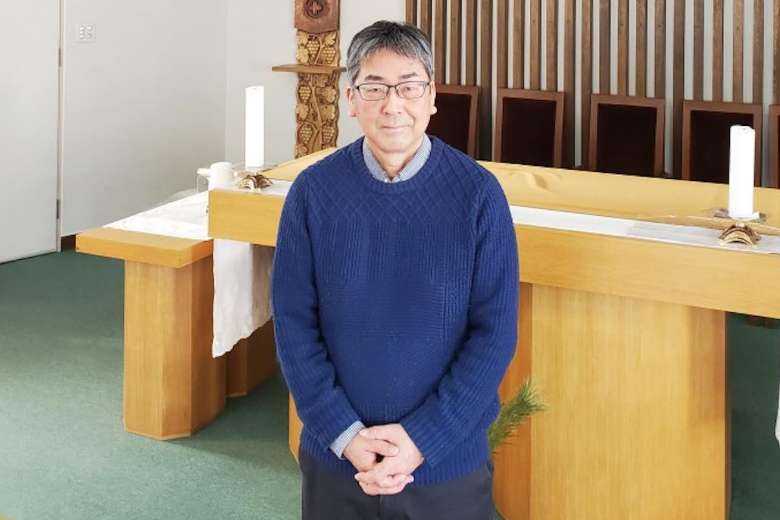
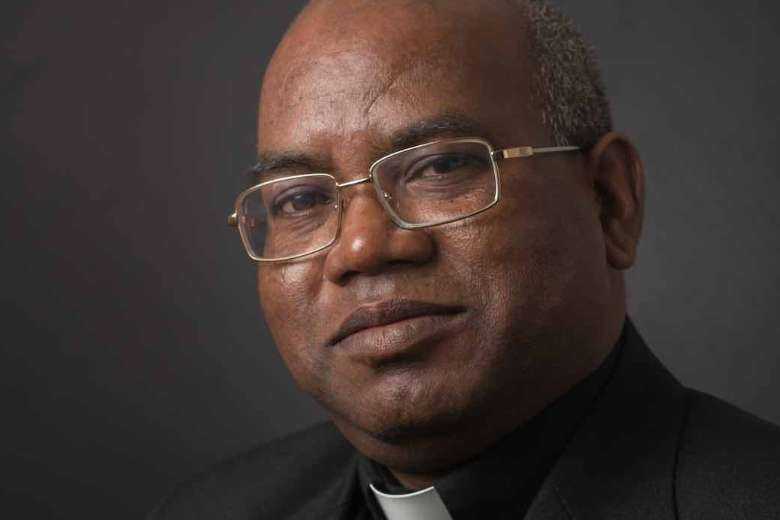
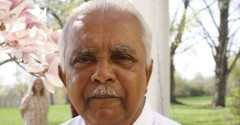
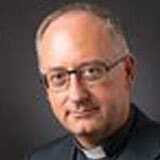
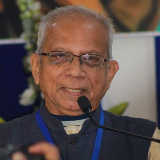
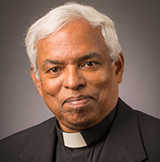
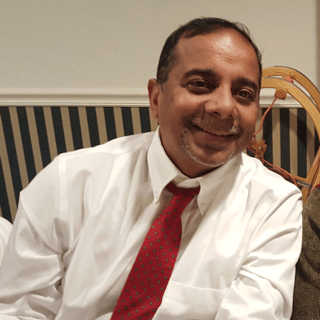
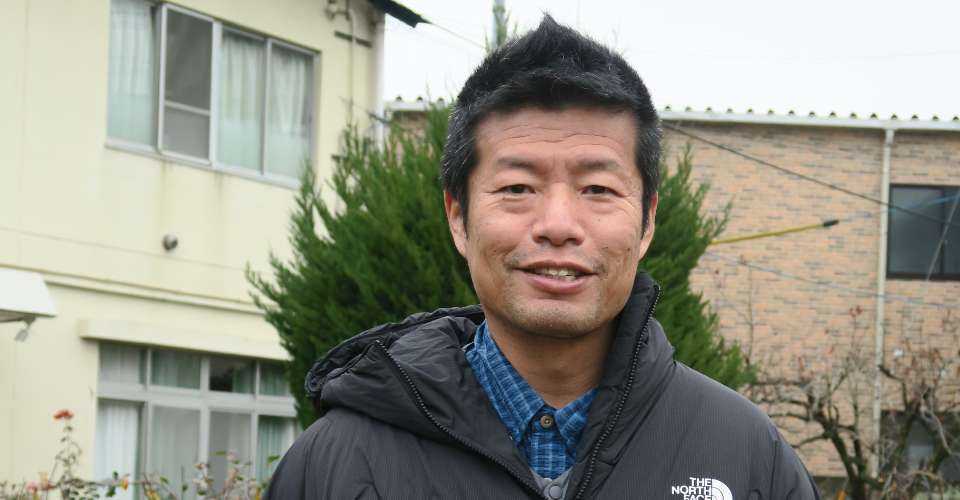
Father Christopher George Jayakumar heads Jaffna diocese´s efforts to help the people trapped in the battle zone in northern Sri Lanka. Many of them are filled with fear while having to stay in the jungle during fierce fighting between the army and rebels, he says.

According to the government, its troops have cornered Liberation Tigers of Tamil Eelam forces in the Vanni jungle region, in an area now reduced to about 200 square kilometers. Various reports say up to 250,000 civilians are unable to flee the area.

The 25-year civil war is at a crucial stage, with government forces expecting to regain the last bit of territory the rebels once controlled as part of their de facto state. The conflict has claimed about 80,000 lives and displaced more than 1 million people.
Father Jayakumar, 53, has headed the Human Development Centre (HUDEC), Jaffna diocese´s social-service agency also known as Caritas Jaffna, for 12 years. Besides emergency relief, his work includes medical care, education, social and economic development, empowerment of women and other activities.

The diocesan priest, ordained in 1981, has a Master of Arts degree in sociology and has worked in several parishes of Jaffna diocese.

UCA News spoke Father Jayakumar on Feb. 9, after his return from the war zone. The interview follows:

UCA NEWS: How is the situation in the battle area?

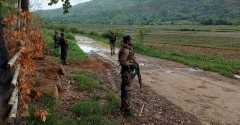
FATHER CHRISTOPHER GEORGE JAYAKUMAR: This is the worst fighting to affect our diocese. Survivors are the lucky ones. People are exposed to the elements — hot sun in the day and cold mist in the night — sometimes spending nights in open areas or under trees. Others spend days and nights in bunkers. Children are affected the most.

It is entirely dangerous to travel by road. Along the roads are many dead bodies and abandoned belongings. The problem is that nobody is coming out to bury the bodies.

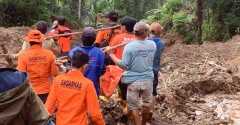
Some farming villages have hundreds of injured people. There is a shortage of staff, and doctors are exhausted. People are on the run. Many are taking shelter in bunkers. Civilian casualties have been very high.

About 25 priests and 20 nuns move with the people and help them with their spiritual needs in camps. People have deep faith and they pray. They hope the Church can offer them something in their suffering.

How is the Church responding to their urgent needs?

We provide food and, depending on the situation, shelter, clothes, mosquito nets, hygiene supplies and cooking utensils. In the Catholic culture, mourning takes its time, so we provide what is necessary for funeral services. Priests and nuns live in small huts, and look after the spiritual needs of the people. Monthly, we spend 6 million rupees (US$60,000) for the displaced.

What is the greatest challenge?

Implementation. We have good plans and donors to help, but we have trouble implementing our programs in a divided diocese. Closure of the A-9 road [linking the Jaffna peninsula to the mainland] long divided Jaffna diocese into two sections, a government-controlled area and the territory held by Tamil rebels. Travel to or from the peninsula is possible only by air or by sea. It makes it hard for our center to function — no proper transport, telecommunications down, high cost of essential items, power cuts, waste of time traveling, and so on.

How does the center reach the displaced?

People are now caught up in an area of a few hundred square kilometers. They stay in the jungle, in the open areas or in temporary sheds, and move from place to place. We, too, move with the displaced and provide essential food and medicines for the injured.

We need permissions and guarantees of safe passage from both warring parties — the state forces and the Tamil Tiger rebels. The government last year ordered all aid agencies, except the International Red Cross, out of the war zone to ensure their safety. But as a Church center, and because we have worked here for a long time, we were allowed to stay. I presume there is a good understanding between our center and state officials.

How do you serve people in remote places?

Mobile clinics are set up. Clinic staff, with the help of the Holy Cross Sisters, visit the affected areas.

What other kinds of work is Caritas doing in Jaffna?

Caritas provides food aid and supports projects in the area of health, agriculture and fisheries. It also supports projects for groups needing special care, such as the disabled and aged, and for children — especially orphanage work.

Local Church agencies depend on international aid. Will this continue?

We are still in a critical situation after the three-decade civil war and natural disasters — the tsunami and a recent cyclone, Nisha, that devastated the diocesan area. Finding local donors is very difficult at the moment. We have to depend on financial and technical support of others, but we do get local volunteers to work during critical situations.

What does the future look like for the people of Jaffna?

We do not have a blueprint for future development. The government may have that, after gaining control of the whole area. We have come through many disasters. We learned a lot, and earned friends. Now our need is food, medicine, shelter, and anything that would make the survivors of the fighting pull through the next desperate days.

People can get over all these troubles. At their core they are hard-working people, and they can harness that character while learning to work in new ways.
END

920 words


Share this article: Share/Save/Bookmark

blog comments powered by Disqus
Advanced Search
Stay in Touch
Subscribe to UCA News free Newsletter
First Name
Last Name
Email
UCAN Photo Gallery